

Graphène?

Graphene

Graphene is an incredibly strong, flexible, and lightweight material made of a single layer of carbon atoms arranged in a hexagonal honeycomb pattern.

Graphene has been one of the most important nanomaterials in multiple industries since its discovery in 2004. Two scientists, Andre Geim and Konstantin Novoselov, won the 2010 Nobel Prize in Physics for its isolation.

whatisgraphene

Characteristics of Graphene

Among the astonishing and diverse properties of graphene, the ones that stand out most are its hardness (the hardest substance in the world!), thermal and electrical conductivity which outperforms copper, flexibility, lightness, resistance and self-healing capabilities. These characteristics will revolutionize innovation in all sectors of life, creating new products that will change the world.

image1

Highly Transparent

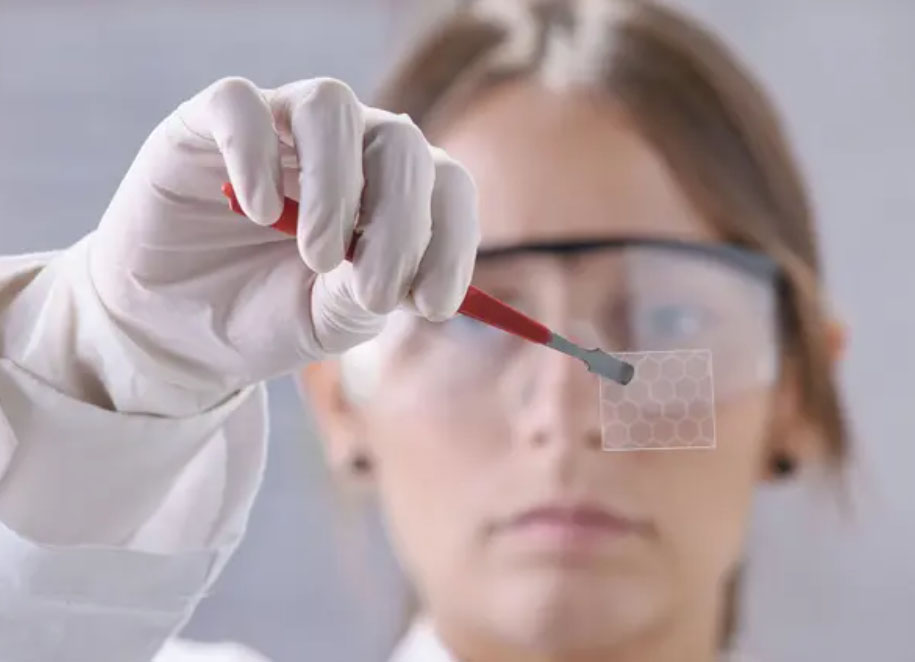
Graphene is highly transparent because its single-atom-thick structure only absorbs about 2% of visible light, making it nearly invisible to the naked eye. This exceptional transparency is crucial for its use in technologies like touch screens and flexible electronics, and it also extends to other parts of the electromagnetic spectrum, such as near-infrared and infrared light.

image2b

Thinness

Graphene is the thinnest material, as it is just one atom thick. It's a single layer of carbon atoms arranged in a hexagonal lattice, and it's so thin that it's considered a two-dimensional material. To put its thinness in perspective, graphene is about one million times thinner than a human hair or thousands of times thinner than a sheet of paper.

image22

Strongest

Graphene is the strongest material ever discovered, with a tensile strength of about 130 GPa, making it roughly 200 times stronger than steel. Its strength comes from the strong carbon-carbon bonds in its single-atom-thick honeycomb structure. However, its toughness, or resistance to fracture, is significantly lower in polycrystalline graphene due to defects.

image5

Lightness

Graphene is also suitable for manufacturing batteries for drones, as these would be lighter and tougher. Let’s remember that these pieces that accumulate energy are some of the heaviest in technology and reducing their weight could be a great innovation. With the application of graphene, one of the greatest limitations that drones present today is minimized.
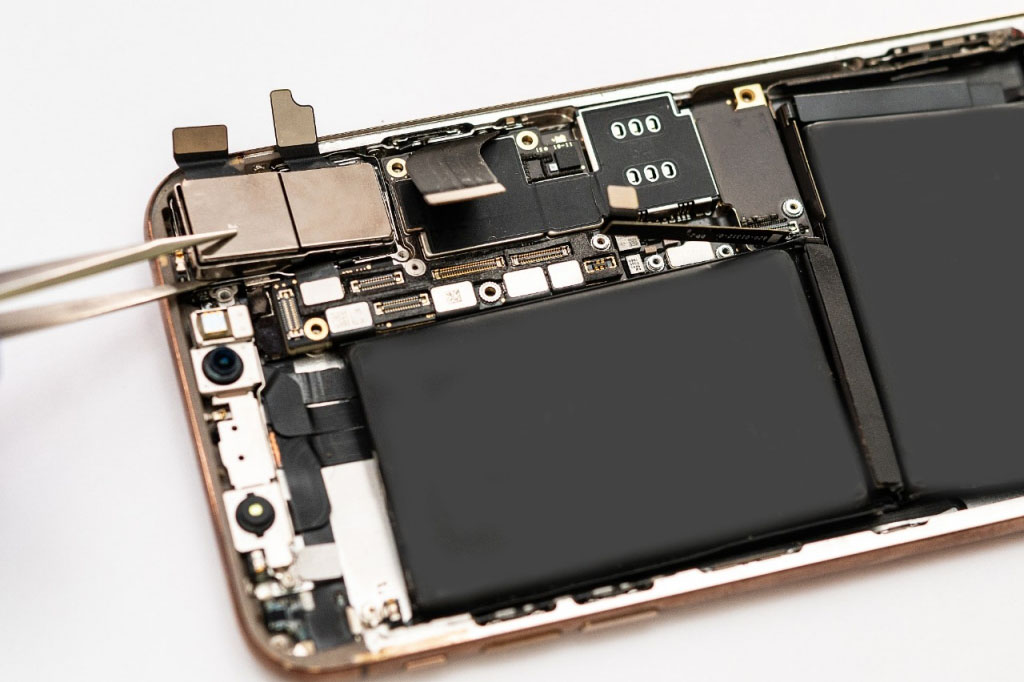
image8

Highly Conductive

Graphene's conductivity is exceptional, both as a conductor and a superconductor, with a high electron mobility that allows for efficient electrical signal transmission. Its conductivity can be further enhanced through "doping," which can significantly boost its performance compared to materials like copper and gold.

image10

Flexibility

Graphene is extremely flexible, allowing it to stretch up to 20% of its length without breaking, which is why it's considered a leading material for flexible electronics and wearable devices. Its flexibility comes from its single-atom thickness and the hexagonal lattice structure of covalently bonded carbon atoms, which allow it to deform without losing its mechanical integrity.

Graphene and its Derivatives.

GLC’s production of bulk nanomaterials include Graphene Oxide (GO), Reduced Graphene Oxide (rGO) and Pristine Graphene (pG) and serve as a platform of products available in customizable solvents and in flake form.

Graphite is a natural carbon material composed of layers of carbon atoms in a hexagonal arrangement. It is graphene when such layers are reduced, an extremely thin layer of carbon one atom thick. Graphene possesses excellent electrical, thermal, and mechanical qualities.

1. What is Graphene Oxide (GO)?

Graphene oxide (GO) is a derivative of graphene that is obtained by the oxidation of graphene through strong oxidizing agents such as potassium permanganate or nitric acid. The oxidation process introduces oxygen functionalities such as hydroxyl, epoxy, and carboxyl groups onto the graphene sheet. As a result, the oxygen content in GO is higher than that of graphene, and it has a highly hydrophilic nature.
Graphene with oxygen-containing functional groups attached, making it more insulating and soluble in water, but less conductive.

2. What is Reduced Graphene Oxide (rGO)?

Reduced graphene oxide (rGO), on the other hand, is obtained by the reduction of graphene oxide through the removal of oxygen functionalities. The reduction process can be achieved through various methods such as chemical reduction, thermal reduction, or irradiation. Unlike GO, rGO has fewer oxygen functionalities, and it is hydrophobic in nature..
While rGO doesn’t reach the perfection of Pristine Graphene, it recovers a significant portion of graphene’s electrical and mechanical properties.

3. What is Pristine Graphene (pG)?

Pristine graphene is a pure, defect-free form of graphene with exceptional electrical, thermal, and mechanical properties, while "graphene" can refer to pristine graphene or various modified forms like graphene oxide (GO) or reduced graphene oxide (rGO). The key difference is purity: pristine graphene has a perfect, single-atom-thick honeycomb lattice, while other forms have imperfections, functional groups, or are even multiple layers thick, altering their properties. .
Pristine Graphene is more difficult and expensive to produce because it requires precise control to maintain its defect-free structure.

Retour en haut